
"Ethiopia coffee defects"
2000 article(s) found
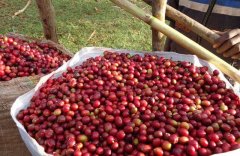
What does a single farm in Ethiopia mean? The reason for the lack of defective beans and high quality
Professional coffee knowledge exchange more coffee bean information please follow the coffee workshop (Wechat official account cafe_style) African Ethiopian coffee beans, with the development of the coffee industry, in addition to the emerging production areas continue to rise, there are also many special ways to deal with it! "121 batches of slow drying of single-layer solarization in Shengshi Village, Humbera Manor" from Ethiopia.
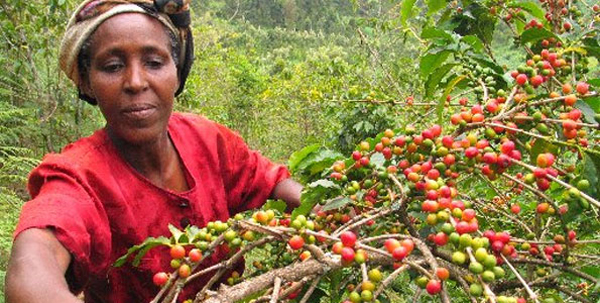
About Ethiopia coffee beans grade analysis to understand the quality of coffee beans classification
Ethiopian coffee beans are divided into five grades. The first and second stages are water-washed beans. Grade1 means 0~3 defective beans per 300 g of raw beans;Grade2 means 4~12 defective beans per 300 g. Grade 1 washed beans are extremely rare and generally difficult to buy. At present, all washed beans exported from Ethiopia are Grade2. The quality of sun-dried beans is Grade3 and Grade4 in sequence.

What are the producing areas of mocha coffee? what are the flavor and taste characteristics of Ethiopian mocha coffee?
Professional coffee knowledge exchange more coffee bean information please pay attention to the coffee workshop (Wechat official account cafe_style) Ethiopian mocha coffee has a unique wild flavor and fresh aroma, coupled with glycol bitterness, rich and smooth taste, sweet fruit can also be found in the finish. Ethiopia, the birthplace of coffee, was also the birthplace of the Suoman dynasty. In

How to classify coffee beans A brief introduction to the classification standard of Ethiopian defective beans
Professional coffee knowledge exchange more coffee bean information please follow the coffee workshop (Wechat official account cafe_style) front street-defective bean classification system this is the earliest classification method, the main representative countries that use the defective bean proportion method are Ethiopia, Indonesia and so on. Indonesian beans are mainly divided into six grades, namely G1~G6. Ethiopian coffee beans are graded with 300g coffee beans.

The ranking system of raw beans in coffee producing countries introduces what is the best grade of coffee beans.
Ethiopia (rated in proportion to defective beans) before the emergence of the Ethiopian Commodity Exchange (Ethiopia Commodity Exchange referred to as ECX), Ethiopia's coffee export grade was established by the CLU Department (Cupping and Liquoring Unit) under the Ministry of Agriculture, mainly according to the number of defective beans in 300g. The classification criteria are as follows.
Introduction to the flavor of grapefruit G1 washed coffee in Yegasuefei Guji, Ethiopia
More information on coffee beans Please follow Coffee Workshop (official Wechat account cafe_style) among the coffee-producing countries, Ethiopia has an almost legendary status, not only because it is the birthplace of Arabica coffee, but also because it is different from most coffee-growing countries, coffee is not a plant that colonizes an alien cash crop. Planting, processing
What is the taste of Yejashefi coffee beans? introduction to the characteristics of hand-brewing flavor of Yega Chefe coffee
Professional coffee knowledge exchange more coffee bean information please follow the coffee workshop (Wechat official account cafe_style) front street-Yega Xuefei Coffee introduction Today I want to talk to you about my favorite coffee beans, Yega Xuefei, Ethiopia. Yega Xuefei can be regarded as a synonym for Ethiopian boutique coffee.
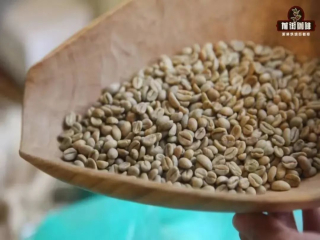
Introduction of coffee bean classification system in various countries in detail the coffee bean classification standards of Ethiopia and Kenya
A friend asked Qianjie, "Why are some coffee beans marked with AA, some with G1, and some with SHB? these letters seem irregular. How do I know which grade is high and which is low?" Why do you need grading? When we walk into the fruit store, we often see that the same fruit can be divided.
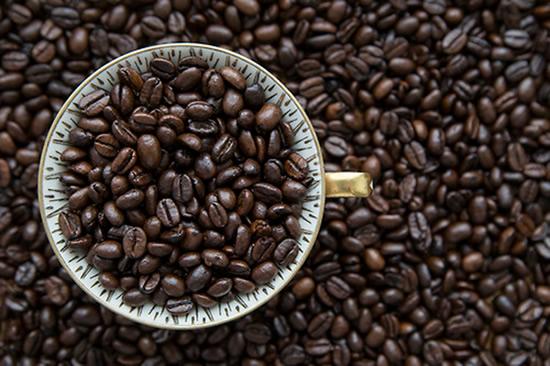
Ethiopian coffee beans characteristics, Ethiopian coffee grades
Pay attention to coffee reviews (Weixin Official Accounts vdailycom ) and find a beautiful cafe to open its own shop Ethiopian coffee beans are divided into five levels. The first and second stages are water-washed beans. Grade1 means 0~3 defective beans per 300 g of raw beans;Grade2 means 4~12 defective beans per 300 g. Gradc Grade 1 washed beans are extremely rare and generally difficult to buy.
What does the classification of Ethiopian coffee mean by washing and tanning G1?
Ethiopian coffee beans are divided into five levels. The first and second stages are washed beans. Washed beans Grade1 represents 3 defective beans per 300g raw beans, and Grade2 represents 4 defective beans per 300g. Gradc1 grade water washed beans are very rare and are generally difficult to buy. At present, all the washed beans exported from Ethiopia are Grade2 grade. The quality of sun-dried beans is Grade3 and Grade4 in order.

Flavor description of coffee beans in Xidamo Chiso producing area of Ethiopia introduction of taste varieties
Flavor description of coffee beans in Xidamo Shachiso region of Ethiopia 1. After picking beans without special screening and treatment, uneven appearance and maturity are mixed together, the process is relatively rough, so the quality of coffee beans is unstable and prone to defective beans. two。 Coffee farmers usually find an open space near their home to deal with it, so there is often a lot on the ground.

Ethiopian coffee bean grade analysis coffee bean common sense
Ethiopian coffee beans are divided into five levels. The first and second stages are washed beans. Washed beans Grade1 represents 3 defective beans per 300g raw beans, and Grade2 represents 4 defective beans per 300g. Gradc1 grade water washed beans are very rare and are generally difficult to buy. At present, all the washed beans exported from Ethiopia are Grade2 grade. The quality of sun-dried beans is Grade3 and Grade4 in order.
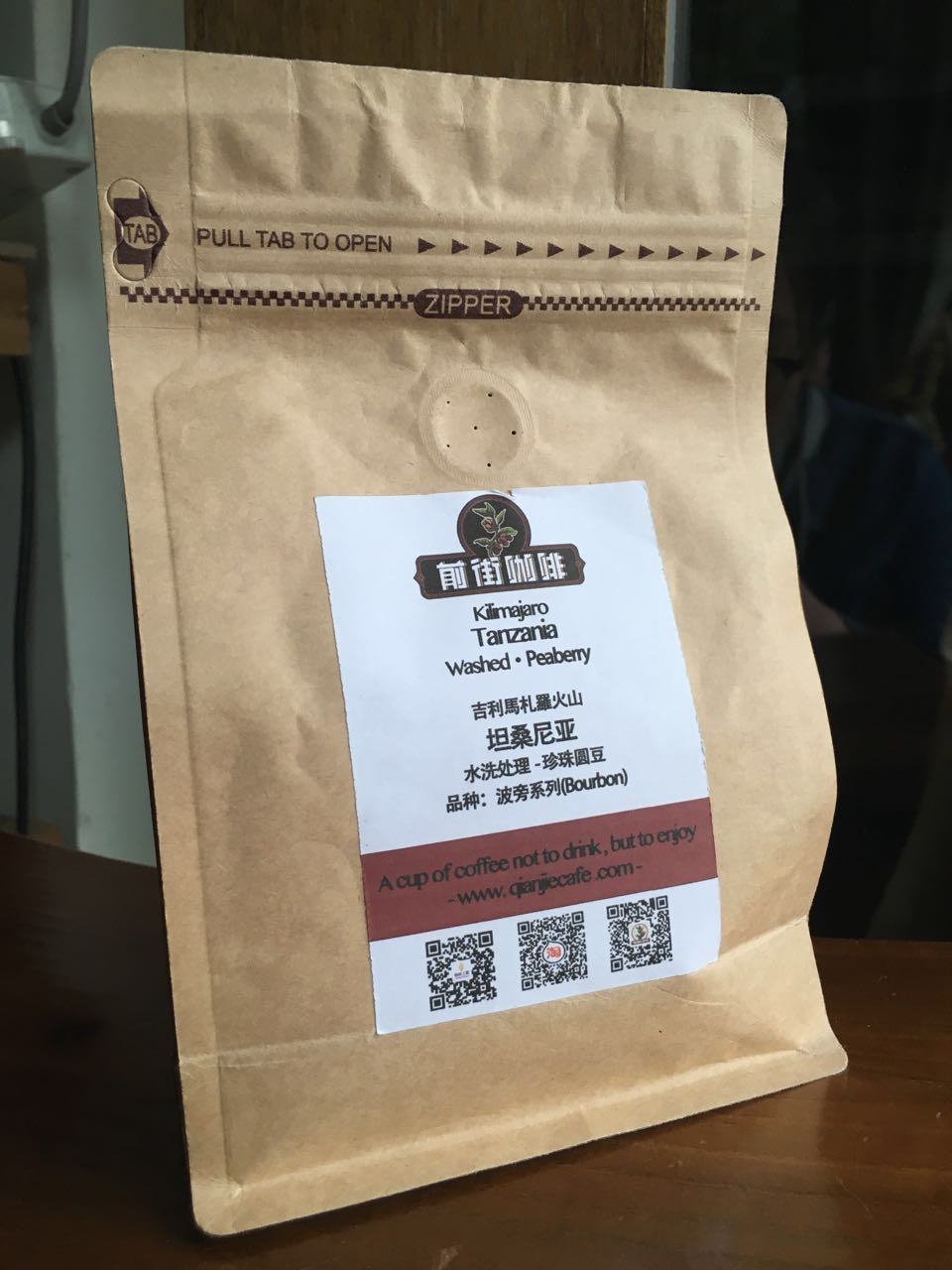
Ethiopian coffee beans introduce the characteristics of Ethiopian coffee beans
Ethiopian coffee beans are divided into five levels. The first and second stages are washed beans. Washed beans Grade1 represents 3 defective beans per 300g raw beans, and Grade2 represents 4 defective beans per 300g. Gradc1 grade water washed beans are very rare and are generally difficult to buy. At present, all the washed beans exported from Ethiopia are Grade2 grade. The quality of sun-dried beans is Grade3 and Grad in order.

Yega Fischer, Ethiopia
Yega Xuefei's grading system is not based on the number of eyes, but on the proportion of defective beans in the total number of raw beans. Commonly seen are wash G2 and sun G3 Yega Chuefei, G1 is the highest grade, Yega Xuefei, which has the lowest defect rate and the best quality, can be rated as Grade 1 only after hand selection. A system is scattered in the northern part of the Great Rift Valley of East Africa.

Introduction to the description and treatment of geographical characteristics and flavor in Sidamo, Ethiopia
Ethiopian coffee beans in the past, the Ethiopian sun drying method used to spread wild coffee fruits directly on the mud ground for exposure. This method has two disadvantages: 1. After picking beans without special screening and treatment, uneven appearance and maturity are mixed together, the process is relatively rough, so the quality of coffee beans is unstable and prone to defective beans. two。 Coffee farmer

Ethiopian Coffee beans | Ethiopian Coffee producing areas | Yega Xuefei ECX selected Water to wash G1
Professional coffee knowledge exchange for more information about coffee beans, please follow the coffee workshop (Wechat official account cafe_style) ECX selected washing G1 Ethiopia washed Yirgacheffe ECX Specialty G1 2017 Dec in Yega Sheffield Town, Ethiopia. New seasonal bean varieties: Heirloom native species producing area: Ethiopia Yirgacheffe A

Characteristics of Sidamo Coffee grading system what are the grades of Ethiopian coffee beans G1 and G2
Question1: why are Ethiopian coffee beans always big and small? If you are very fond of African beans, it should be easy to find that Ethiopian beans are generally of different sizes and have significantly lower evenness than those in Kenya. Sometimes roasting appearance can be found in the observation of the same batch of coffee beans, no matter whether it is Yega Xuefei or Sidamo, whether it is washed or insolated.

What are the taste and flavor characteristics of Aharal coffee? Ethiopian coffee producing area
Professional coffee knowledge exchange more coffee bean information please follow the coffee workshop (Wechat official account cafe_style) Essex coffee sub-coffee Harald coffee taste and flavor characteristics? Description of mocha Harald Coffee in Ethiopia Coffee producing area? Coffee is already a necessary drink for many people every day. If there are pesticide residues in coffee, it will be harmful to human health if it accumulates for a long time.

Yega Chefe, Ethiopia Yega Chefe Manor Cup holder
Ethiopian coffee beans taste Ethiopian coffee beans feature Ethiopian beans look a little malnourished. However, the appearance of beans, Ethiopian coffee can be ranked as the world's most citrus aroma, whether instant coffee or freshly ground coffee, the extraction will smell the pungent aroma of orange or lemon. The entrance is characterized by strong floral, fruity, sour and sweet aromas, but mellow.

Ethiopian coffee beans are graded system Ethiopian coffee beans story and flavor
Following Kaibei (Wechat official account vdailycom) found that the Cafe Beautiful opened a small shop of its own Ethiopia Coffee beans divided into five levels. The first and second stages are washed beans. Washed beans Grade1 represents 3 defective beans per 300g raw beans, and Grade2 represents 4 defective beans per 300g. Gradc1 grade water washed beans are very rare and are generally difficult to buy.